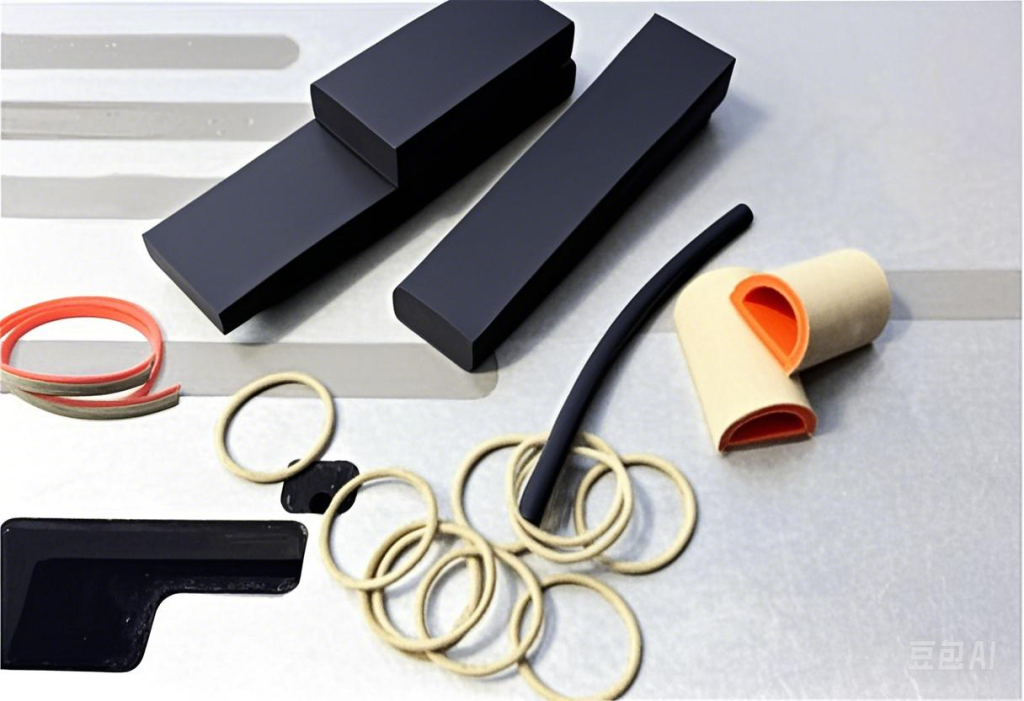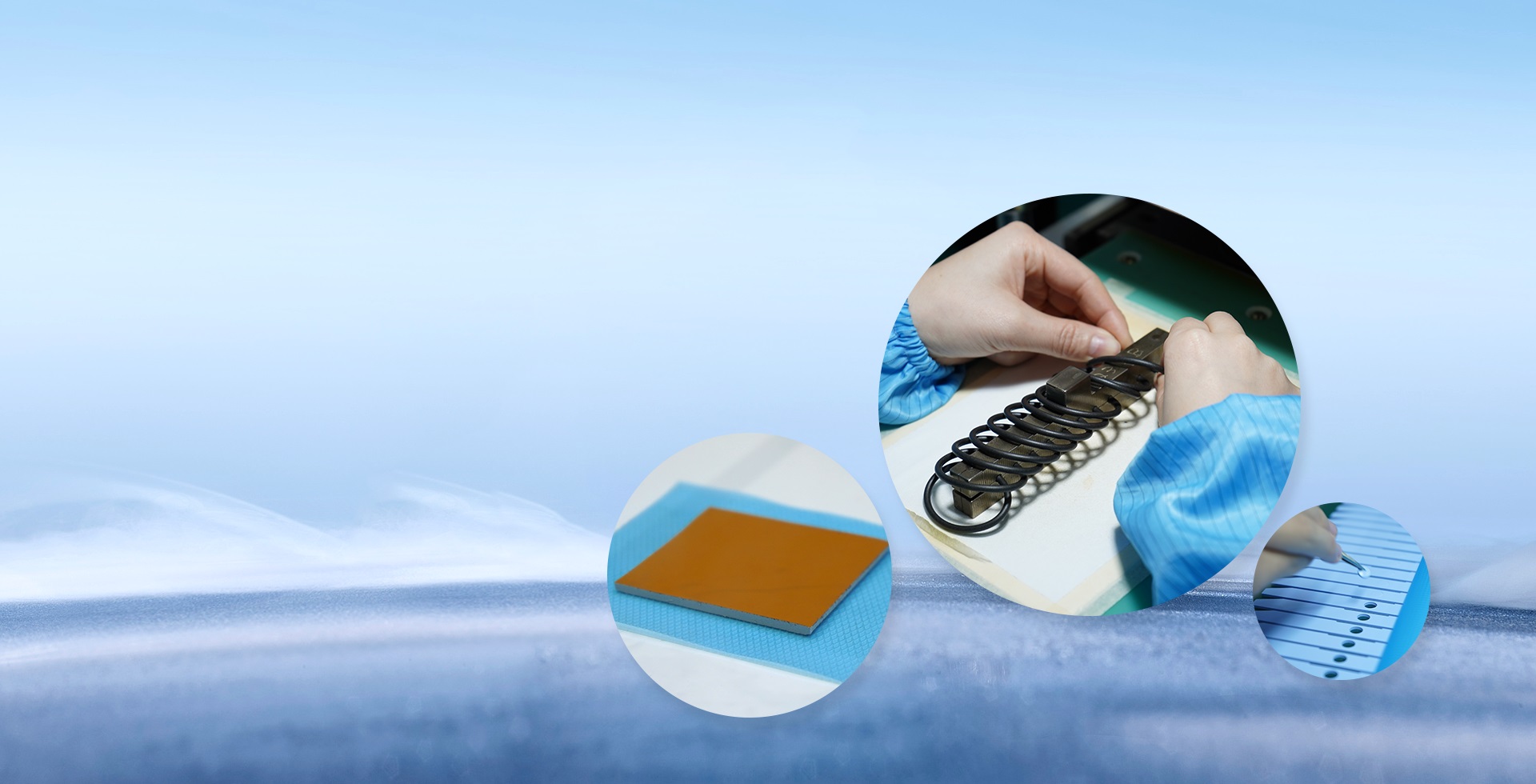
Opening the following report presents understanding concerning siloxane polymer in conjunction with electron-flowing silver rubber strips towards electromagnetic interference protection.
Polydimethylsiloxane-based materials are notably implemented within pliant applications by virtue of their remarkable longevity and substance resistance. Though, their fundamental absence of conductivity impedes their potential in selected technological deployments.
The fusion of charge conveying colloidal materials, especially silver-enhanced dispersed into the silicone elastomer compound, generates a cohesive effect causing PDMS an electron-carrying web allowing for high-performance EMI attenuation.
This frameworks empower instruments to counteract excess EMC background.
Shielding Component Units: Specific Importance of Dimethylsiloxane and Shielding Closures
Reliable coating of digital modules is paramount in challenging settings. Silicone, with its distinguished elasticity and elemental strength, delivers superlative condensation shielding qualities. Though with setups necessitating charge transmitting performance, electronically active closures, often fabricated from shielding substances, act as imperative to eliminate electrical disruption and confirm robust performance. This alliance of PDMS plus electronically active closures stands for a versatile method toward obtaining strong capability in up-to-date electronics.
Electromagnetic Blocking Pads: Optimizing Capability employing Electron transmission Silver-enhanced Rubber together with PDMS
{Effective EMI disturbance protection seals are critical for protecting sensitive electronic equipment and arrangements from unwanted discharged directed noise. Innovative designs often embrace a fusion of conductive Silicone Silicone polymer and Polymer silicone to obtain optimal efficiency. Conductive SR provides exceptional electrical conduction, guaranteeing a robust grounding for reducing harmful signals. Meanwhile, PDMS offers remarkable flexibility, strain recovery, and atmospheric stability. Careful material assessment and assembling techniques, such as a fine layer of SR within a PDMS matrix, enhance both shielding effectiveness and persistent consistency.
- Evaluate several material assemblies according on use case prerequisites
- Verify correct shutting compression for reliable contact
- Analyze interfaces frequently to endorse operation
This synergistic system causes in EMI components that grant unparalleled protection and robustness.
Silicone elastomer Electron-conducting SR Pads: Safeguarding Electronics from Impacts
Addressing critical instrumentation units, radiation noise can lead to detrimental effects, producing for faults including content decay. Silicone elastomer electron-conducting silver-infused rubber closures provide effective reliable strategy applying offering advanced effective defense in the face of these interventions. Alike components, habitually fabricated with silicone base rubber embedded by electrical fillers, manufacture enhanced minimal resistance way into electric ground, absorbing EMC along with communications band noise output. A conformable structure allows effective effective umbrella even upon variable grounds, producing such membranes ideal in deployments throughout diagnostic systems, broadband architectures, and various manufacturing contexts. Using unique Siloxane compound charge carrying silver composite rubber interface is an preventive step for maintain system integrity and protect currently functioning consistency.
Tuning System Piece Covering with Siloxane Elastomer-Based Electrical Noise Reduction
Reliable digital device sealing presents a central problem in up-to-date architecture due to rising radio electrical noise. PDMS presents a promising solution when allied with charge-carrying substances to form solid EMI attenuation sheets. This strategy not only amplifies instrument efficiency but also reduces associated threat of degradation originating from exogenous RFI threats.
Electron Flow-Based SR Augmentation in PDMS Gaskets for High-Performance EMI Blocking
Novel membranes fabricated from polydimethylsiloxane (PDMS), incorporating current conducting fillers, present significantly improved shielding power against electromagnetic interference (EMI). The inclusion of substances like graphene nanotubes or nickel microflakes provides a conduit for current circulation, thereby creating a more resilient electromagnetic barrier. This electron-transmitting upgrade in gasket ability is critical for delicate electronic assemblies requiring high EMI suppression in various fields. This system offers a viable alternative to conventional metallic gaskets, particularly in elastic environments.
Selecting the Right EMI Suppression Gasket: PDMS vs. Conductive SR Selections
Picking adequate radio suppression membranes necessitates exhaustive assessment of numerous grounds. Frequently, electron-conducting Silicone Rubber (SR) has existed as a regular choice; however, Diallyl Silicone compound (PDMS) appears as a realistic proxy, mainly where condensing extents are limited or compound conformity is mandatory. Dimethylsiloxane provides improved malleability and allows accommodate narrower clearances, despite continuing distinguished shielding operation.
State-of-the-art Covering Systems: Dimethyl polysiloxane, Conductive Silver rubber, and Digital equipment Security
Progressive wrapping systems are notably crucial for securing key equipment assemblies. polymer silicone, with its exceptional flexibility and chemical strength, affords notable situational screens. On top of that, electric flow enabling siloxane elastomer helps static electricity diffusion, mitigating static damage events. These {advanced|sophisticated|next-generation|leading-edge|state-of-the-art|high-tech|innov