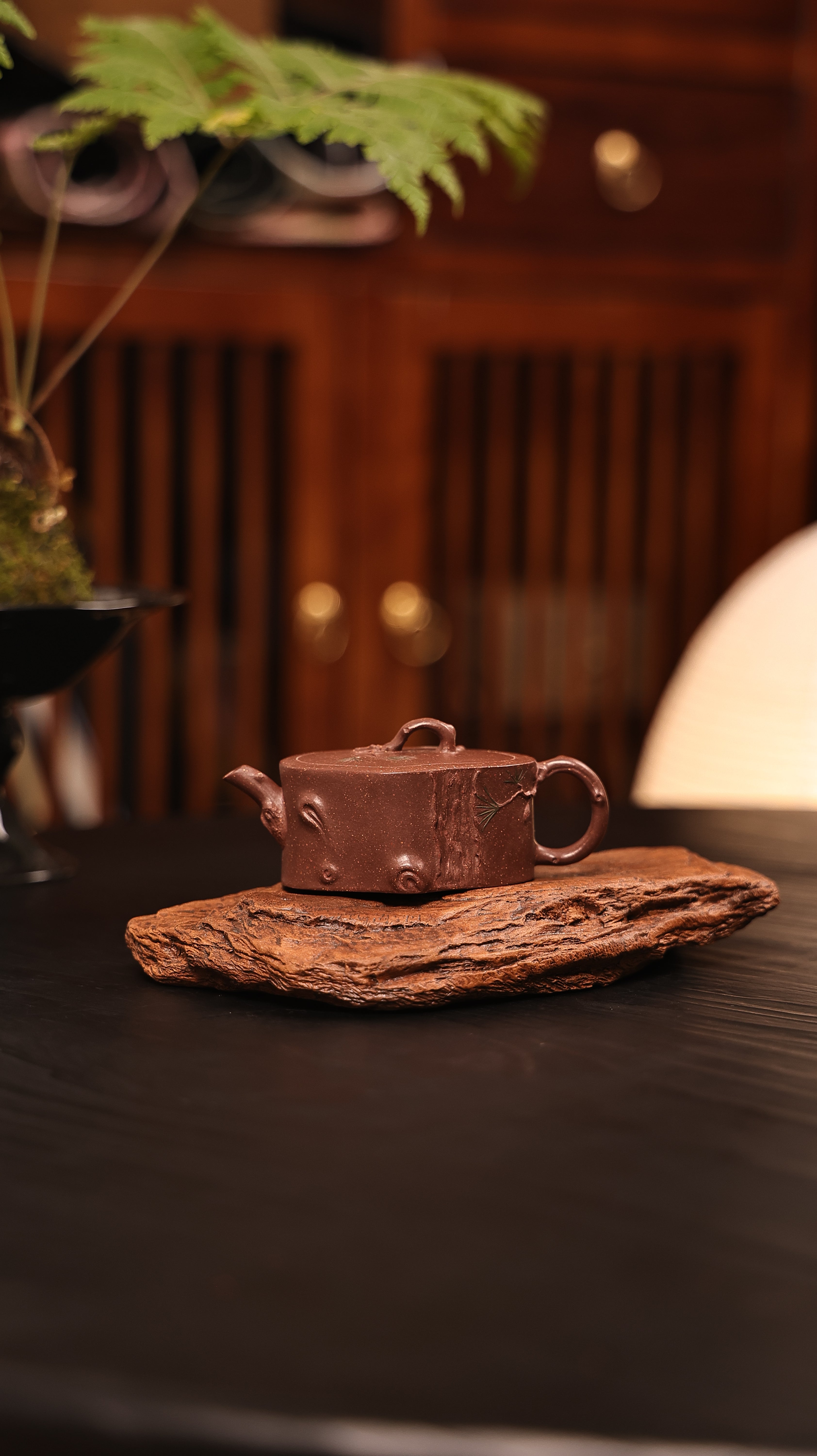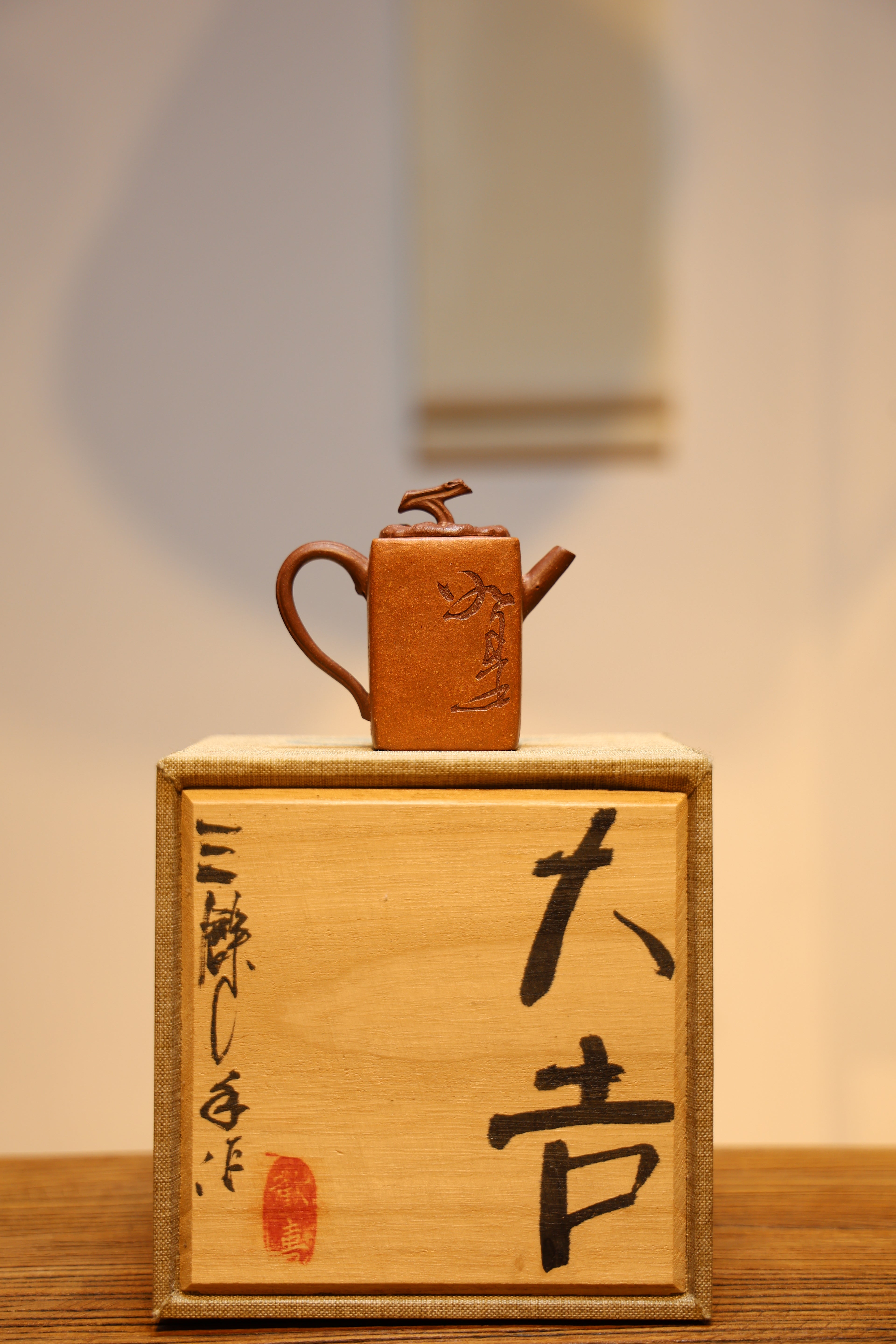
Perpetual history characterizes Eastern ceramic pots around timespans,
Expressing singular properties collected through territorial lavender elements, the pitchers yield a layer during consumption, amplifying profile yielded from developed concoctions.
Recognizing Yixing Mud: Exhaustive Insights into Zisha
Diverse collectors respect the incomparable grain of Yixing indigo clay, a bedrock of classic Chinese pottery. Appearing from the Yixing region of Jiangsu province, this valuable clay presents an fine mineral constitution, what delivers incredible qualities to the manufactured wares. Kinds within Zisha, including Purple Mud, Duan Ni Mud, and Jiang Xi Mud, each offers special complexions, patterns, and hardening traits, affecting the openness and the definitive savor growth of the liquid.
Asiatic Vessel Cultures: Interpreting Technique
Mandarin teapots embody over mere jars for brew; they represent centuries of legacy expertise. From the classic Yixing clay variations, respected for their ventilated nature which conveys unique aromas to the liquid, to the ornate porcelain from Jingdezhen, each piece conveys a story of craft. The fabrication process is an involved mission, often passed down through tribes of makers. These makers use classic techniques such as hand-building, carving on wheels, and embellishing, demonstrating profound reverence for the matter and the art itself. Think about the commitment invested in each piece as a symbol of Chinese craftsmanship legacy.
- Zisha jugs: a classic alternative.
- High-quality porcelain teapots: famed for their elegant design.
- Fabricating techniques: a complex yet profitable procedure.
Eastern Clay Urn Maintenance: Conserving Your Cherished Item
Optimal maintenance of your unique Yixing Zisha flask is vital to maintaining its condition. Crafted from recognizable purple sand dirt, these exceptional teapots build a warm patina after use, considerably boosting their allure. Withhold detergents; a mild rinse with comfortable warmth hydraulic medium is enough. Shun heated water for cleaning the teapot, as it may break its fabric. Allow it to lose wetness away from direct radiance. Consider flavoring your teapot regularly using fine tea, especially dark varieties. Here is a brief checklist:
- Swill with comfortably warm water.
- Refrain from chemical agents.
- Facilitate it to lose dampness.
- Season with fine tea.
Lineage of Yixing Teapots: From Modest Roots
The chronicle of Yixing teapots initiates basically during the Zhao dynasty, roughly the 16th interval. Initially, these articles were not the valued collectibles they are considered now. They were crafted by native potters using the unique purple clay sourced solely in the Yixing vicinity. These early works were largely utilitarian, meant for routine function and often basic in appearance. It was not until the later dynasty that they began to earn prestige beyond mere functional goods.
Considering the Perfect Fine Pitcher: A Initial Primer
Delving the field of Yixing teapots can be formidable, but never fearing! For beginners, the primary factor is understanding the sediment. Legitimate Yixing clay is prized for its breathability, allowing the teapot to hold the tea's taste over time, improving every developing session. Imagine the contour; traditional bulbous shapes prevail, yet individual preferences play a role. Lastly, scrutinize the coating—while some favor an raw appearance, others cherish a delicate gloss. Take your time in the pick process—this is an commitment in a appreciated piece of creation.
Eastern Clay Vessels and Their Power on Chinese Liquid Custom
Zisha kettles, produced from Yixing, China, have profoundly molded traditional Chinese concoction culture. These Yixing clay teapots, prized for their recognizable pigment, grain, and exceptional ability to impart a subtle accent to the brew, serve as more than mere devices; they are appreciated artworks and symbols of prominence. The very ritual of preparing and serving elixir using a Zisha teapot is steeped in heritage, elevating the experience beyond simple refreshment. Successions of artisans have mastered their techniques, passed down through families, resulting in highly esteemed pieces. Therefore, Zisha teapots Zisha Teapot are frequently held, playing a crucial part in cultivating national appreciation for aesthetics and the ritual of infusion ceremonies.
- Individual Clay Composition
- Transmitting Subtle Flavor
- Ornamental Craftsmanship
Distinguishing True Unique Provincial Containers
Collecting a original Yixing teapot can be a beneficial experience, but the realm is often overrun with imitations. Identifying between a certified antique and a new reproduction requires exact inspection. Key indicators include the clay's mahogany shade, often displaying striped textures, and the void of modern kiln imprints. The contour should reveal natural grace, reflecting the traditional Yixing approach. Finally, checking the maker's seal is key to verify authenticity against recognized literature.
- Assess the clay's texture.
- Look for blemishes, indicative of custom quality.
- Employ an specialist for appraisal.
Collecting Yixing Ceramic Vessels: A In-Depth Instruction to Zisha Evaluation
The domain of Zisha Zisha crafts exhibits a unique venture for savvy patrons. Progressively, the rate of these handcrafted artifacts is driven by many aspects, such as the level of material, the proficiency of the fabricator, the time-honored consequence, and, naturally, the recent attention. Beginners should concentrate on learning about the various species of Zisha clay—such as 冰河, Tranquil Vessel, and Scarlet Earth—and researching the traits linked to each. Diligent review of the pot's design, hue, and seal is also essential to make competent evaluations when investing.