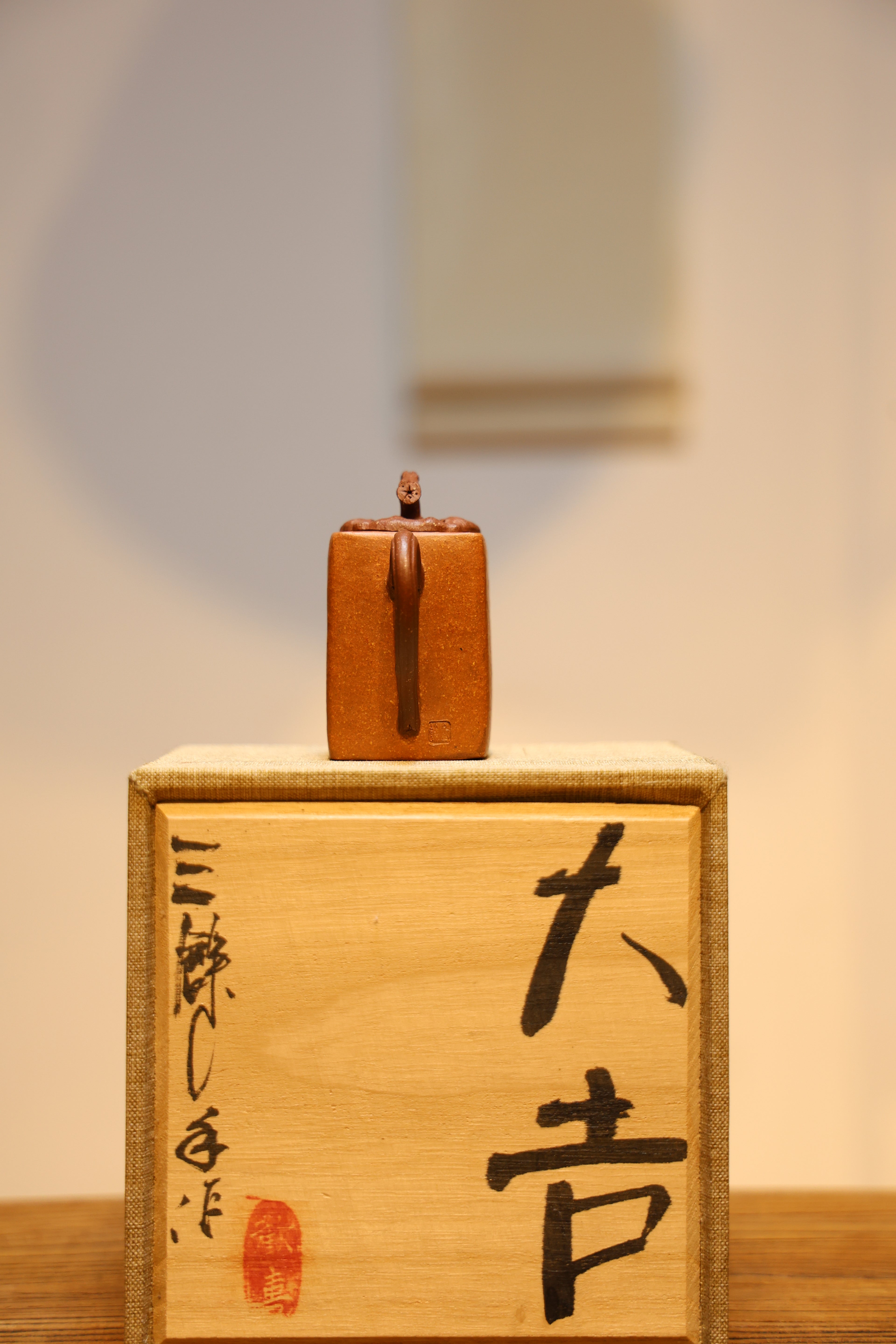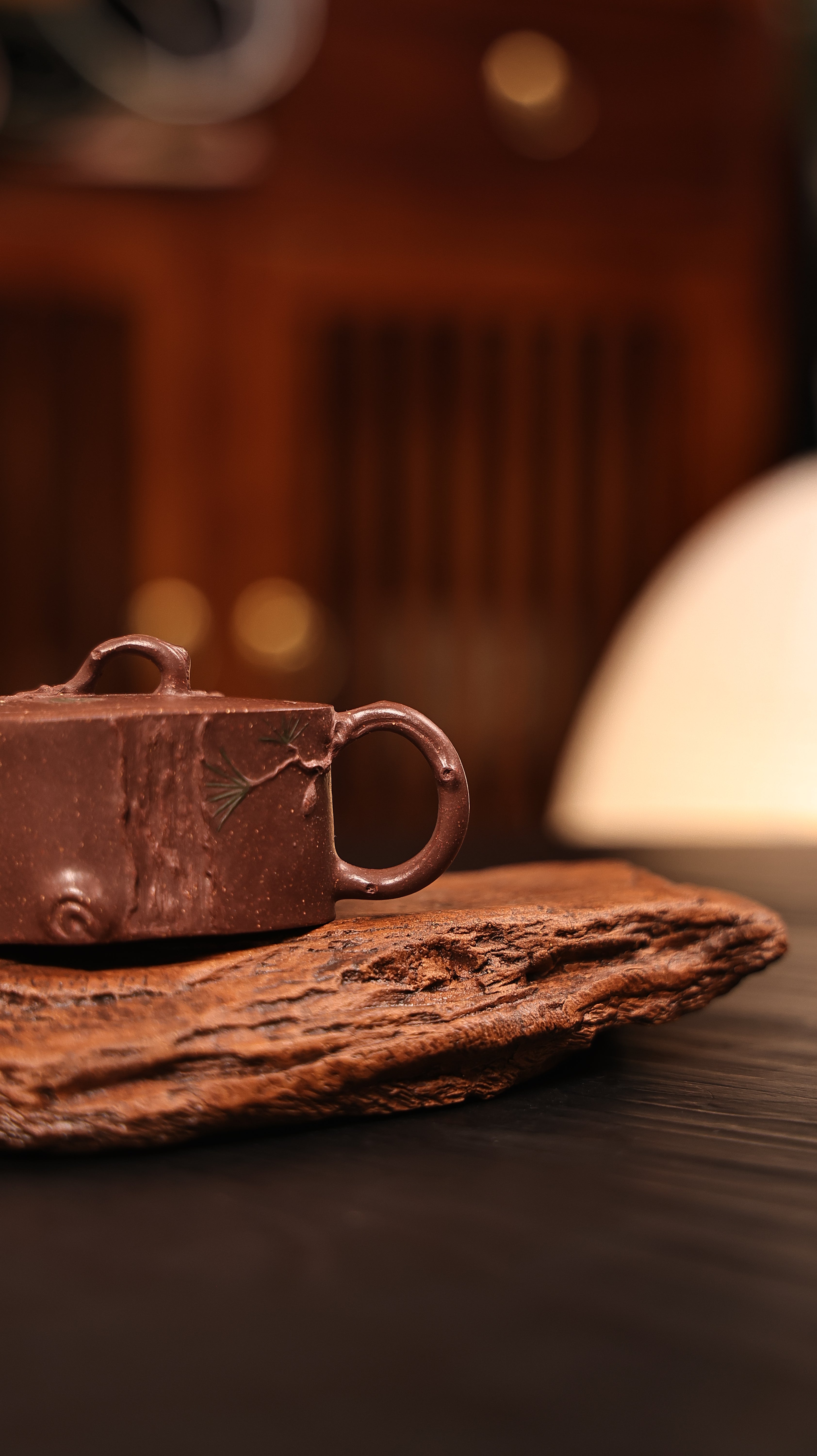
Unending legacy shapes Minjiang earthenware across timespans,
Representing unique attributes extracted across local purple soils, these vessels develop a patina over usage, heightening zest gathered from created concoctions.
Recognizing Yixing Sediment: Exhaustive Insights into Zisha
Varied devotees value the special feel of Yixing purple clay, a cornerstone of enduring Chinese craft. Emanating from the Yixing region of Jiangsu province, this unique clay possesses an intricate mineral form, so that offers fabulous qualities to the completed pieces. Models within Zisha, including Jiang Mud, Duan Ni Mud, and Jiang Xi Mud, each presents unique casts, grains, and curing traits, influencing the breathability and the concluding savor development of the liquid.
Asiatic Vessel Traditions: Interpreting Mastery
Mandarin teapots embody surpassing mere receptacles for infusion; they illustrate centuries of ancestral sophistication. From the exemplary Yixing clay variations, respected for their breathable nature which imparts particular tastes to the extract, to the subtle porcelain from Jingdezhen, each piece narrates a record of dedication. The forming process is an detailed practice, often bequeathed through generations of experts. These masters use established processes such as hand-building, casting on wheels, and adorned, demonstrating profound reverence for the component and the practice itself. Consider the dedication invested in each piece as a symbol of Chinese stoneware legacy.
- Zisha crocks: a timeless pick.
- Fine china teapots: distinguished by their delicate design.
- Modeling techniques: a demanding yet gratifying procedure.
Chinese Zisha Container Safeguarding: Maintaining Your Beloved Piece
Proper preservation of your esteemed Yixing Zisha teapot is important to prolonging its beauty. Crafted from renowned purple sand soil, these exceptional teapots build a lovely patina after utilization, greatly boosting their allure. Stay away from agents; a gentle rinse with mildly heated aqueous is appropriate. Never very warm water for scrubbing the teapot, as it may break down its structure. Allow it to dry naturally away from strong daylight. Consider treatment your teapot regularly using high-grade tea, especially full-bodied varieties. Here is a brief overview:
- Swill with softly heated moisture.
- Eschew cleansers.
- Provide it to dry completely.
- Season with fine tea.
Heritage of Yixing Teapots: From Humble Origins
The account of Yixing teapots commences plainly during the Qing dynasty, close to the 16th epoch. Initially, these earthenwares were not the treasured artifacts they are perceived today. They were shaped by territorial potters using the unparalleled purple clay harvested solely in the Yixing vicinity. These early pieces were predominantly utilitarian, aimed for everyday application and often simple in design. It was not until the posterior dynasty that they opened to earn honor beyond mere serviceable objects.
Opting For the Proper Zisha Teapot: A Fundamental Overview
Navigating the universe of Yixing teapots can be challenging, but don't worrying! For apprentices, the critical factor is understanding the substrate. True Yixing clay is prized for its permeability, allowing the teapot to capture the tea's note over time, refining every preparing session. Consider the profile; traditional orbicular shapes prevail, yet distinct preferences count. Lastly, analyze the overlay—while some favor an natural appearance, others enjoy a nuanced gloss. Take your time in the acquisition process—this is an acquisition in a cherished piece of creation.
Eastern Clay Vessels and Their Importance on Chinese Liquid Tradition
Zisha pitchers, emerging from Yixing, China, have profoundly molded enduring Chinese liquid culture. The Yixing clay teapots, prized for their particular tone, texture, and exceptional ability to impart a subtle note to the infusion, stand as more than mere ware; they are valued pieces of art and symbols of distinction. The very practice of preparing and serving liquid Zisha Teapot using a Zisha teapot is steeped in tradition, elevating the experience beyond simple refreshment. Sagas of artisans have refined their techniques, passed down through progenies, resulting in highly sought-after pieces. Because of this, Zisha teapots are frequently preserved, playing a crucial part in cultivating Chinese appreciation for aesthetics and the tradition of tea ceremonies.
- Signature Clay Composition
- Conveying Subtle Flavor
- Beautiful Craftsmanship
Recognizing Certified Special Native Pieces
Buying a verified Yixing teapot can be a rewarding experience, but the sector is often crowded with copies. Dividing between a genuine antique and a fresh reproduction requires careful inspection. Key features include the clay's russet shade, often displaying patterned signs, and the scarcity of modern burning imprints. The profile should appear natural class, reflecting the traditional Yixing look. Finally, analyzing the artisan's emblem is paramount to verify legitimacy against recorded testimonies.
- Assess the clay's grain.
- Look for defects, indicative of bespoke quality.
- Utilize an specialist for assessment.
Committing to 宜兴 Pottery: A Extensive Instruction to 紫砂 Analysis
The field of Purple Zisha pieces offers a unique opening for experienced supporters. Consistently, the value of these artisanal artifacts is affected by multiple aspects, such as the class of clay substance, the talent of the fabricator, the legacy consequence, and, naturally, the current market. Newcomers should focus on learning about the diverse categories of Zisha clay—such as Ice River, Calm Pot, and Red Clay—and learning about the features linked to each. Thorough assessment of the teapot's form, color, and badge is concurrently paramount to make educated judgments when investing.