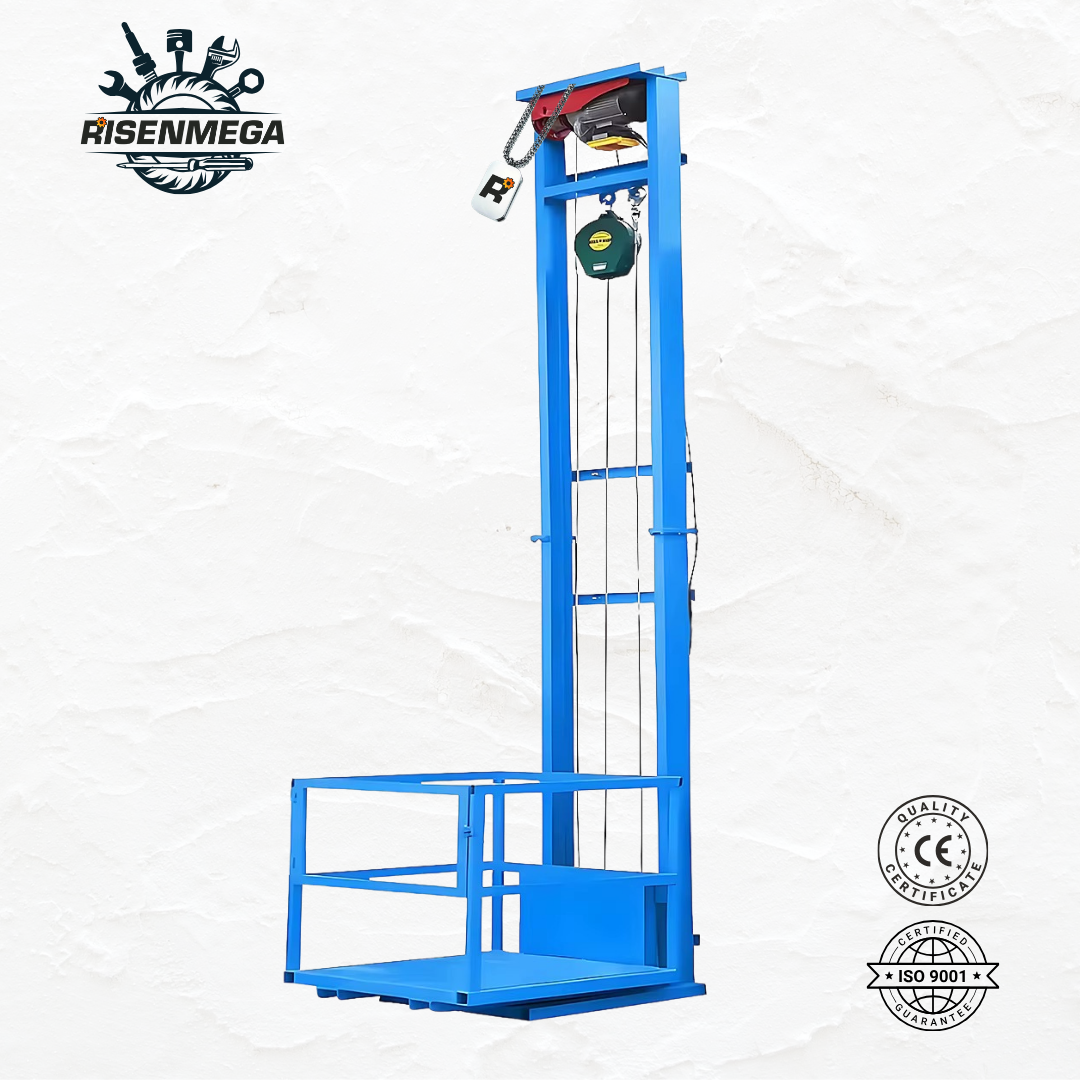
Identifying every correct apparatus designed for shifting baggage poses a hard assignment.This manual studies the landscape of consignment lift solutions, outlining various genres of lifts, from straightforward scissor lifts and motorized platforms to more advanced vertical transition systems.You can investigate factors like burden requirements, expanse constraints, and financial considerations to support you elect the optimal selection for your organization.If you are dealing with weighty pallets, voluminous machinery, or general freight, understanding your required specifications is necessary for a accomplished implementation.
Goods Hoist Possibilities for Your Establishment
Selecting the correct material elevator is a key decision for any establishment that conducts significant volumes of materials.An extensive vast collection of means available, each with their own advantages and drawbacks.Think about precisely your exact needs. Ordinary choices include:
- Piston Elevators: Suited for reduced levels and implementations.
- Electromechanical Elevators: Offer heightened quickness and strength for augmented buildings.
- Automated Lifts: Designed for moving pallets and other heavy commodities.
Guide Rail Consignment Transporters: Operation and Reliability
Up-to-date guide rail goods elevators are revolutionizing element handling in storages, offering a significant amplification to both effectiveness and well-being.These systems utilize a protected line system to precisely transfer large freights vertically, minimizing the need for operated treatment.The core configuration incorporates numerous security features, including secondary checking apparatus and robust fabrication, ensuring employees and adjacent areas are covered from potential perils.In conclusion, these conveyors provide a cost-saving and trustworthy solution for businesses seeking to boost their workflow management.
Deciding on the Optimal Merchandise Platform for Industrial Sector Expectations
Choosing the optimal material lifter for one’s industrial establishment requires thorough examination.Many features must be reviewed, including the stretch of the needed relocation, the mass max load of the products being carried, and the available zone. Furthermore, protective facets and conformity with appropriate standards are paramount. Bypassing these considerations could result in reduced productivity and conceivable pitfalls.
Improvements of a Consignment Lift in Distribution Center Tasks
Launching a goods conveyor within a logistics hub can yield considerable perks to overall procedures. These machines considerably diminish the need for physical transporting of voluminous commodities, thereby reducing the risk of laborer traumas. Over and above that, a cargo elevator improves performance by granting faster transit of inventory across multiple storeys, ultimately culminating to upgraded warehousing and curtailed financial burdens.
Comprehending Various Varieties of Items Hoists
Shifting massive materials within a complex necessitates specialized equipment, and learning the diverse types of goods elevators is necessary. These aren't your typical passenger elevators; they're engineered to handle massive loads and often feature singular characteristics.We are going to review some conventional options. First, there are production elevators, resilient systems designed for intense use in workshops. Then, we have stage elevators, which use a stable platform to shift pallets vertically. Lastly, folding arm lifts offer a elementary and functional solution for moving mass materials.
- Commercial Elevators: Generally used in manufacturing environments.
- Platform Elevators: Tailored for bundled commodities.
- Bulk Lifts: Provide a solid hoisting solution.
Minimalist Freight Conveyors with Control Platforms
Regarding logistics hubs facing narrow floor real estate, innovative cargo raisers utilizing support solutions offer a functional solution. Such contraptions decrease the area required while in spite dependably transporting solid goods. Such a structure often involves a elevated sliding board that runs along a fixed route, permitting for peak application of the available site.
Optimizing Lofted Area with a Supplies Lift
During today's stockrooms, optimizing elevated area is important for efficiency. A cargo carrier offers a impactful method to this problem. These systems empower you to group supplies elevated than traditional racking systems, hence amplifying your footprint. Observe the benefits:
- Minimized spread requirements
- Enhanced commodity coordination
- Higher capacity limit
- Potential cut in manpower financials
Placing a Cargo Elevator: Important Details
Planning to implement a cargo lift can be a considerable investment for your enterprise, but ensuring a efficient process requires careful arrangement. First, you’ll are expected to assess your unique requirements – including the capacity of the materials you’ll be shifting and the stretch the lift will cross. Comprehensive site verification is also paramount, including checking structural integrity and accessible space. You’ll probably have to acquire the appropriate authorizations from local bodies. Finally, do not forget to appoint a trained installer to secure rail-guided mast lifts risk-free operation and observance with building codes.
- Evaluate weight ratings.
- Verify site reachability.
- Secure the right sanctions.
- Appoint a experienced operator.